Skip to content
Techno Chem Academy

Course 1 is now live on Udemy

Put machine learning to work on your plant

Courses in AI, machine learning and Python for practicing chemical and process engineers.

A short reel from Course 1, built from the course datasets. A refinery with live instrument tags and the line "Machine learning, taught on real process units"; Python code plotting an ASTM D86 distillation curve; outliers in distillation tray temperatures found with the IQR rule and replaced; a linear regression predicting distillate purity from eight column variables; and a soft sensor tracking purity through a feed upset that dips below the 98.5 mol % spec.

Every lesson starts with a real unit: a column drifting off spec, a batch reactor, a pipeline under pressure. Then you build the model in Python, and check it the way an engineer would.

Six plant problems, six working models.

Course 1 teaches machine learning through problems chemical engineers already know, each with its own dataset.

  1. 01

    Distillation column product purity

    Predict purity from feed, reflux, reboiler duty and column temperatures.

  2. 02

    NIR spectroscopy for glucose

    Calibrate near-infrared spectra with ridge, lasso and PLS.

  3. 03

    Ethylene oxide reactor faults

    Classify faults from temperature, conversion, coolant flow and feed ratio.

  4. 04

    Pipeline leak detection

    Find leaks in pressure and flow data, and judge the model with the right metrics.

  5. 05

    Wastewater treatment COD

    Predict effluent COD with decision trees, random forests and boosting.

  6. 06

    Crude oil blend clustering

    Discover crude types from API gravity, sulfur, viscosity and metals.

Two courses. One way of teaching.

Industrial motivation first, then the method, then the code. Both are self-paced on Udemy.

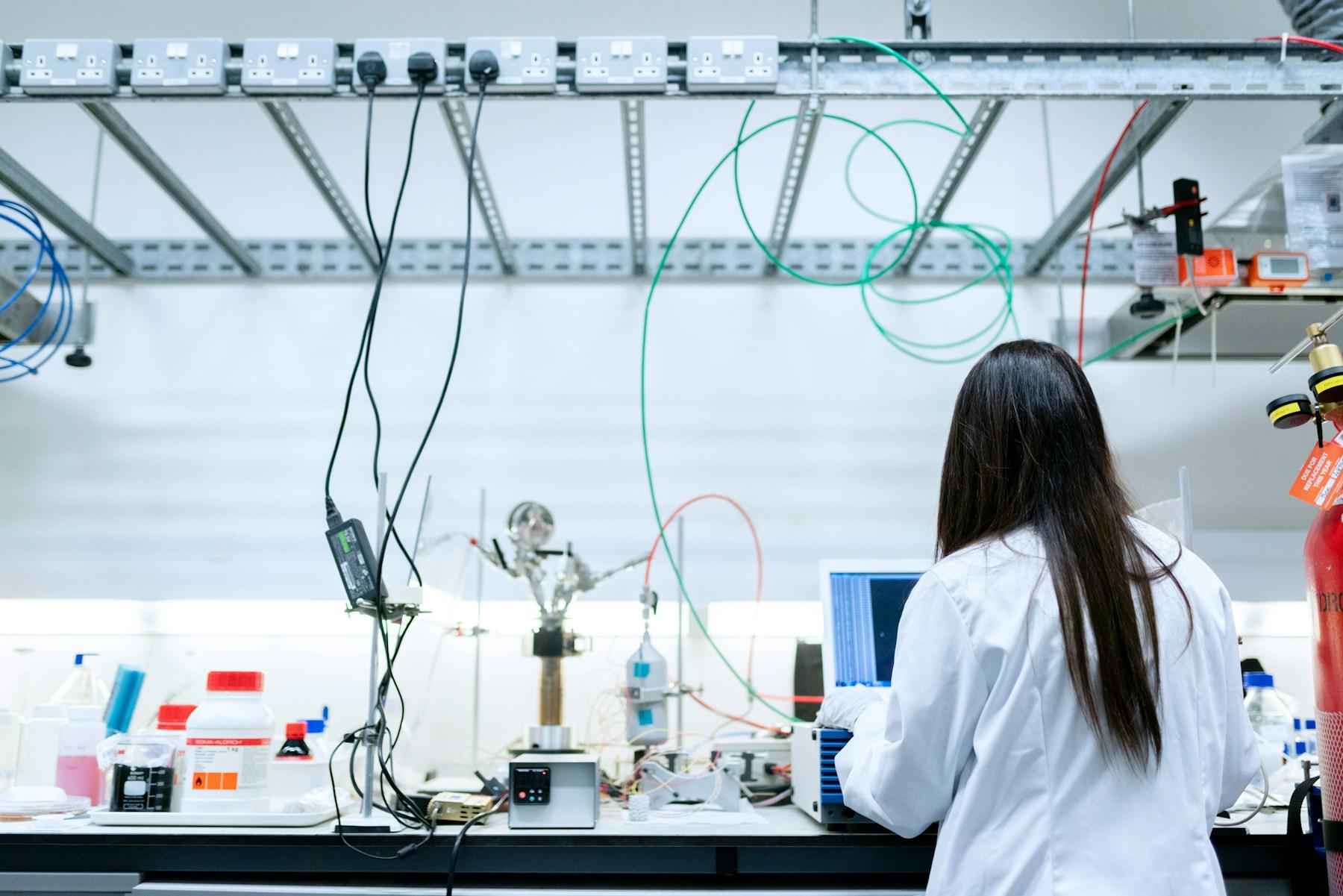
An engineer in a lab coat working at a laptop beside an experimental rig

AI, machine learning and Python for chemical engineers

C-101 · All levels · 20 hours · 13 sections · 4 modules

Learn Python and machine learning by building models for real process units, from distillate purity on a column to leak detection on a pipeline. The notebooks run in Google Colab, in your browser.

Live on Udemy, self-paced

Watch the 56-second trailer
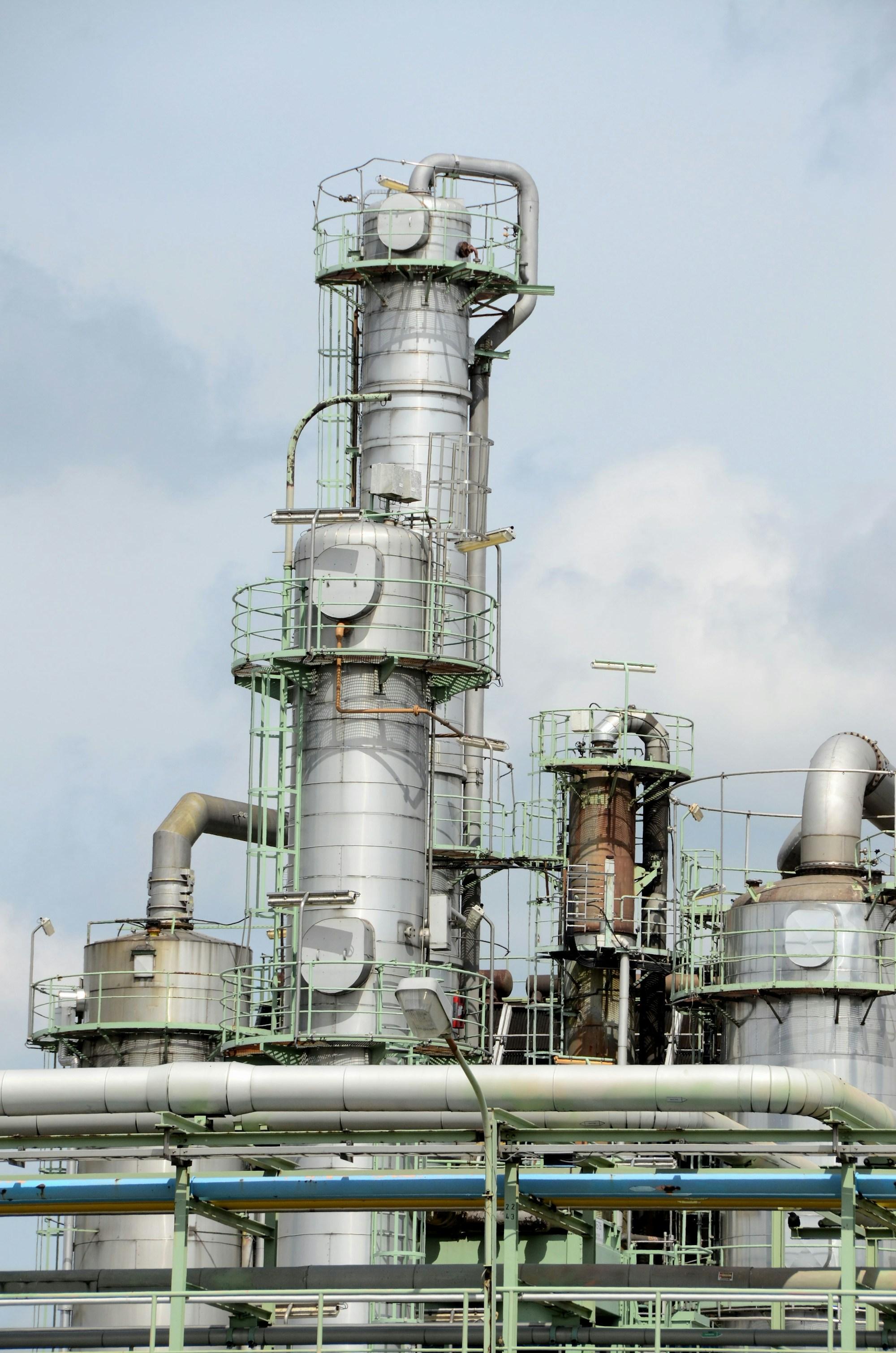
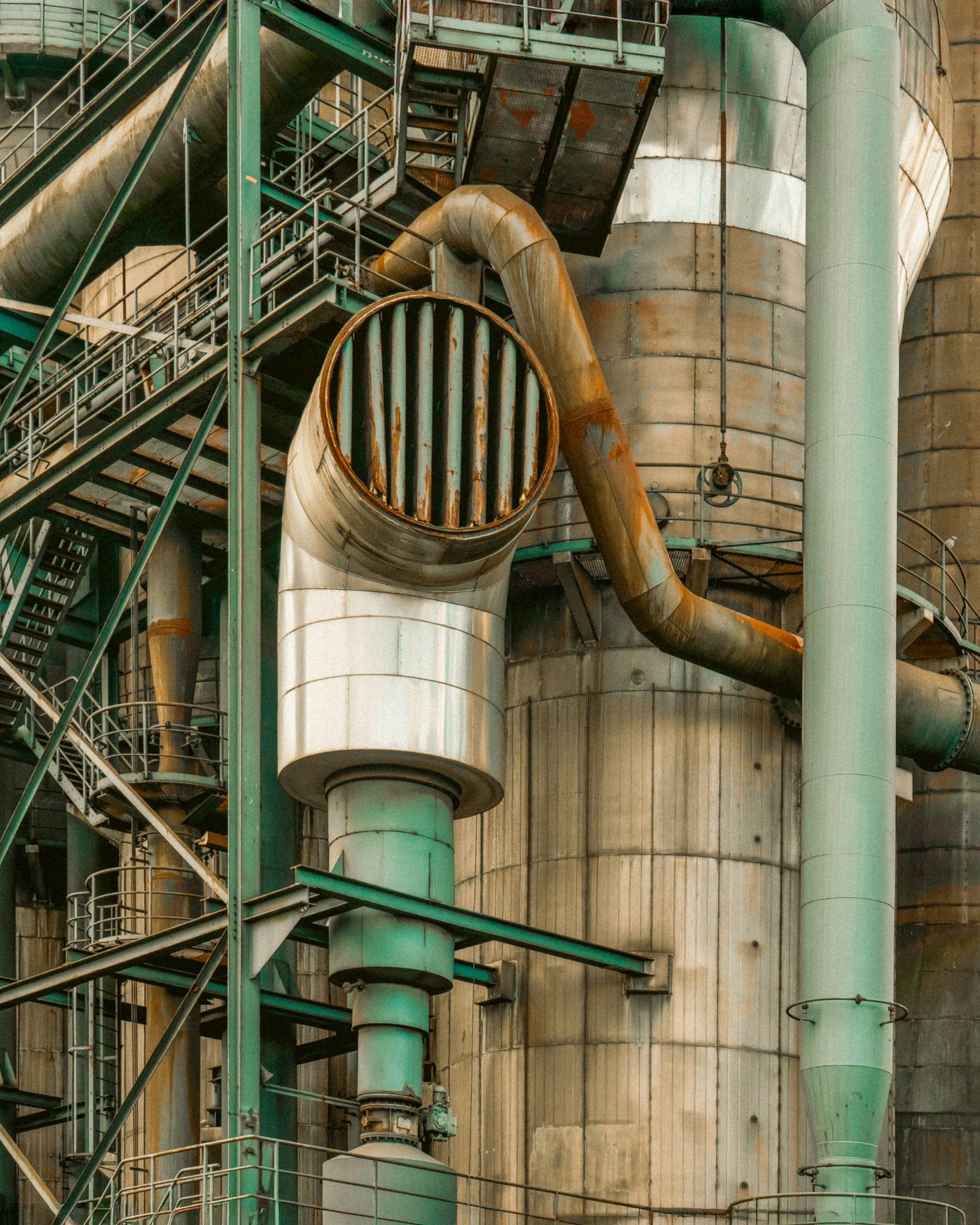
Steel process columns, platforms and pipework against a pale sky

Generative AI and prompt engineering for chemical engineers

C-102 · 5.9 hours · 13 sections · 66 lectures

From first prompts to RAG and agentic workflows. Part 1 covers prompting, verification and applied workflows in plain language; Part 2 moves to AI-assisted coding, RAG in Colab and agentic workflows with DWSIM and OpenFOAM.

Coming soon to Udemy

Training for plants and colleges.

The same plant-first teaching, for your team on site, remotely, or inside a degree program.

Large insulated process vessels and pipework inside a plant

For plants

Three programs that take a site from a first briefing to a working prototype on its own data.

  • T-201, Leadership briefing

    Half day or full day

  • T-202, Practitioner bootcamp

    3 to 5 days, or 6 to 8 weeks part time

  • T-203, Capstone on your own data

    4 to 8 weeks with weekly mentoring

See the programs
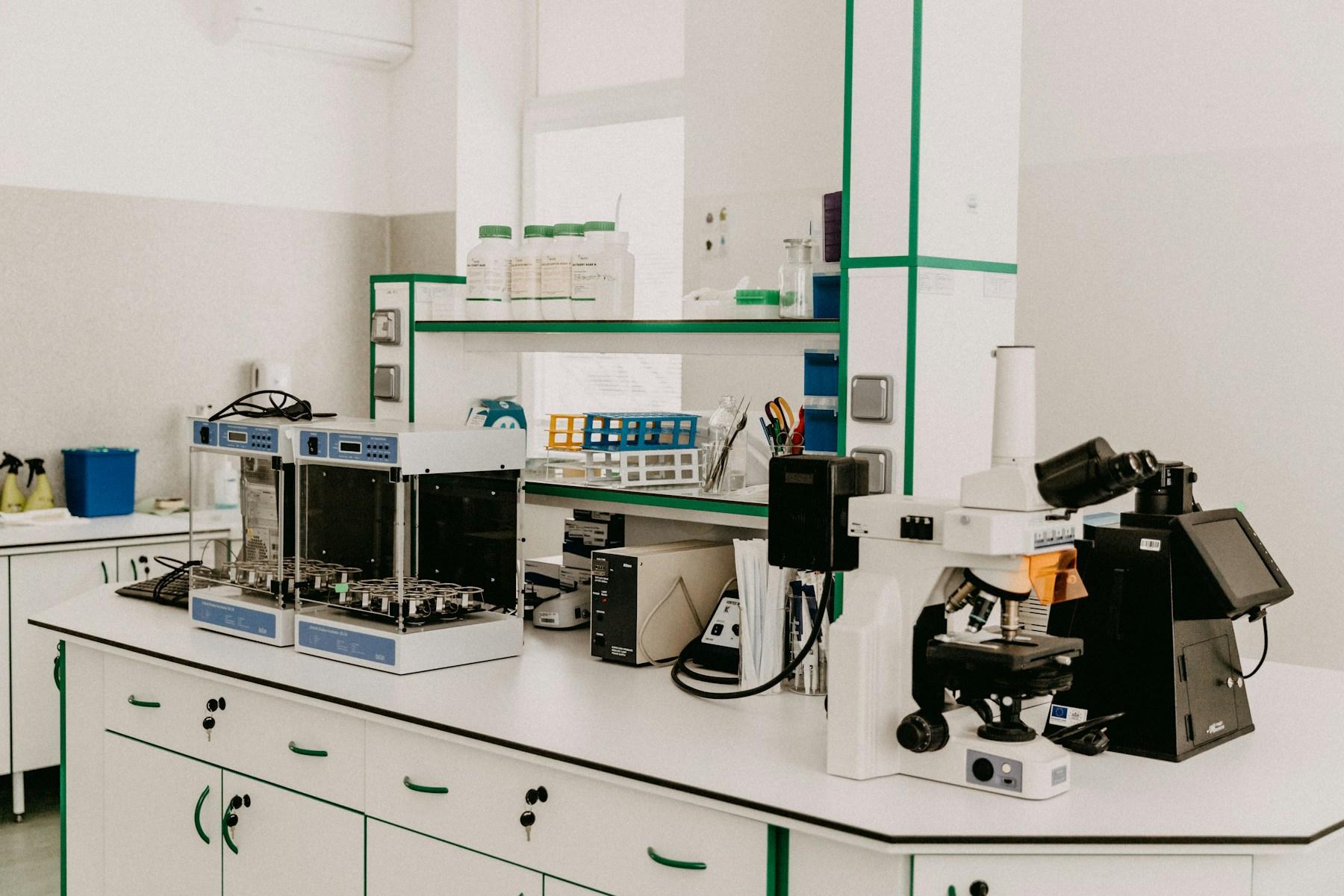
A bright teaching laboratory bench with a microscope and analytical instruments

For colleges

Programs for faculty and students, from a short development course to a licensed elective.

  • Faculty development program

    5 to 6 days

  • Certificate course for students

    30 to 45 hours

  • Curriculum licensing

    One semester elective, licensed per year

See college programs
engineers taught across courses, workshops and lectures
100+
of Course 1, from first Python to working models
20 h
modules, from Python foundations to validated models
4

Questions, briefly answered.

Do I need to know Python already?
Course 1 is written for all levels. It builds Python step by step, on chemical engineering data from the first lesson.
What do I need to run the code?
A web browser. Every notebook runs in Google Colab, so the course works on the laptop you already use.
Are the examples in SI or US units?
Mostly SI, with examples in US units such as °F and psig for engineers working in the US.
Can you train a team at our plant?
Yes. The practitioner bootcamp runs on site, remotely or blended, over 3 to 5 days or 6 to 8 weeks part time.
Where does our plant data go during the capstone?
The capstone runs on your machines, so plant data stays on site. We mentor the team weekly for 4 to 8 weeks.
What do colleges get?
A faculty development program of 5 to 6 days, a certificate course for students of 30 to 45 hours, or a licensed one-semester elective.

Start with the problem on your plant.

Course 1 is 20 hours of Python and machine learning on chemical engineering data, at your own pace.